Scientific Committee
Conference Chair / Co-chair
Zhong-Qun Tian
Conference Chair
Xiamen University
➔ View profileIn recent years, AI for Science, and in particular the development of Physical AI, has been driving the rapid emergence of embodied AI systems, including physical AI robots, and their wide-ranging applications. In response to this trend, the chemistry community needs to engage more proactively and work together to advance AI in Chemistry.
On the one hand, chemical research itself urgently needs to be empowered by AI in order to accelerate innovation across the field. On the other hand, many applications in embodied intelligence also depend fundamentally on chemistry. For example, future intelligent robots capable of smell, taste, and environmental perception will rely heavily on highly sensitive, multidimensional, and readily integrated chemical detection and sensing technologies. Therefore, the integration of AI and chemistry is not only transforming the way chemical research is conducted, but will also provide essential material foundations and sensing capabilities for the development of future intelligent systems.
Xiamen University has been an early mover in Chemical AI. In 2022, Xiamen University and Peking University jointly established the Joint Laboratory on AI for Electrochemistry in Xiamen. In recent years, we have made a series of exciting advances in AI-empowered energy chemistry, synthetic chemistry, theoretical and computational chemistry, chemical measurement, and instrumentation. Through these efforts, we have also formed a team of young researchers with a deep understanding of the integration of chemistry, AI, data science and automation.
As a co-chair of this conference, and on behalf of the local organising committee comprising these young researchers, I would like to express my sincere gratitude to the Royal Society of Chemistry for its trust in bringing RSC FIRST 2026 to Xiamen University, set within one of the most beautiful campuses in China. We warmly welcome chemists from around the world, together with experts in AI, automation, and intelligent robotics, to gather in Xiamen. We very much look forward to this meeting serving as a catalyst for in-depth exchange, broad collaboration, and collective innovation in the era of AI–Chemistry convergence.
Chunying Chen
Conference Co-chair
Suzhou Institute of Nano-tech and Nano-bionics (SINANO), CAS
➔ View profile
Gábor Csányi
Conference Co-chair
Max Planck Institute for Polymer Research / University of Cambridge
➔ View profileI am delighted that the RSC FIRST 2026 conference is hosted in Xiamen, not only because the College of Chemistry and Chemical Engineering of Xiamen University there is a significant place of learning and innovation on the global stage, but because it shows that AI for Chemistry has joined the growing number of academic fields in which China plays a leading role in the international network of excellence. This position for China in general and Xiamen in particular is to be valued, treasured, and nurtured in the coming years.
Given the organisers and plenary speakers, I know that it is these people I want to listen to in order to learn what is important now in this fast evolving field.
Conference Secretaries
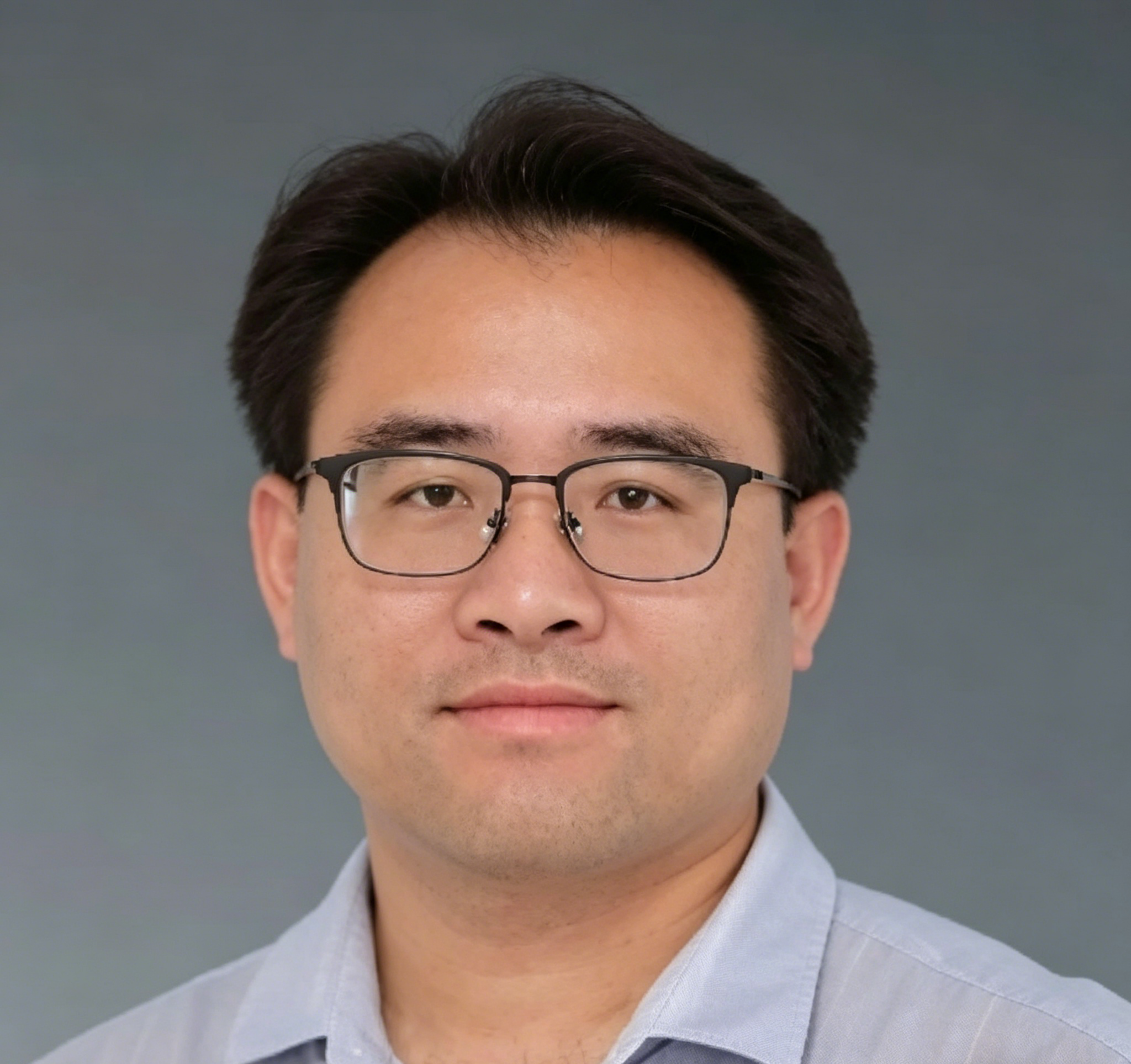
Jun Cheng
Xiamen University
➔ View profileWe are entering a particularly exciting era, in which the capabilities of scientists can be substantially amplified by artificial intelligence, automation, and robotics. This opens new possibilities for addressing larger, harder, and more complex scientific challenges, and may lead to important breakthroughs across chemistry and beyond. However, realizing this potential will require scientists from different fields to collaborate more closely than ever before. The conference is therefore designed as a platform for researchers across all areas of chemistry to share the latest developments in AI-driven chemical research, exchange ideas, and discuss how better collaboration can accelerate the solution of grand challenges in chemistry. Through these efforts, we hope to further strengthen chemistry’s role as the central science and to enable it to support, connect, and drive advances in many other disciplines.
Other Scientific Committee Members





{{ 'en' == 'cn' ? item.name : item.name_en }}
{{ 'en' == 'cn' ? item.desc : item.desc_en }}