RSC PreDoc Symposium
Introduction
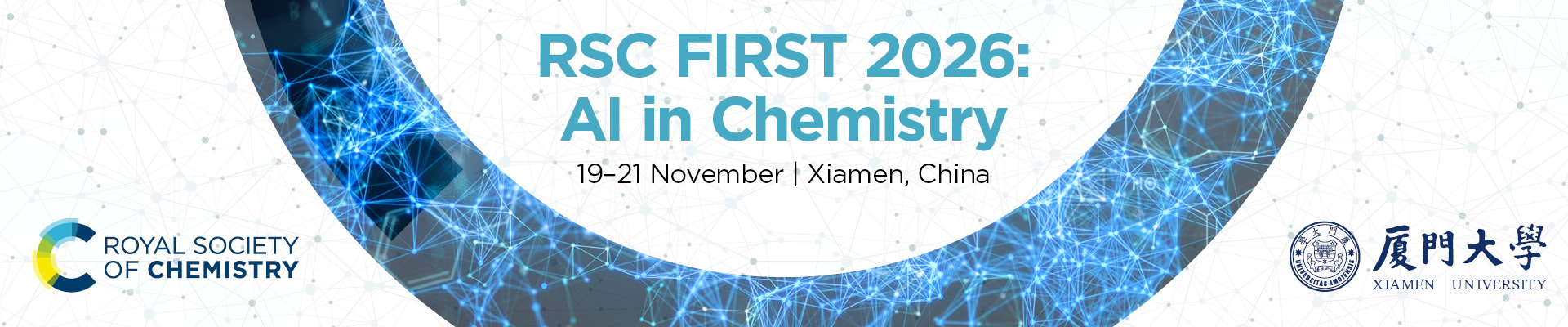
The RSC PreDoc Symposium is a premier academic forum for full-time student researchers in chemistry and related disciplines. It offers a vibrant platform for next-generation scientists to present their findings, engage in meaningful dialogue, receive expert guidance and enhance their visibility within the scientific community. As a key part of RSC FIRST 2026: AI in Chemistry, the 2026 RSC PreDoc Symposium warmly invites young talents worldwide to join us on 20 November 2026.
Scientific Themes
Scientific themes for student presentations at this year’s PreDoc Symposium are the same as those of RSC FIRST 2026:
Intelligent Computation
Experimental Digitalisation
AI for Energy Chemistry
AI for Synthetic Chemistry
AI for Electrochemistry
Judging Panel
Participants will have their presentations evaluated by a distinguished panel of field-leading experts, gaining a unique opportunity to receive guidance from leaders in the chemical sciences. These established researchers and professionals will provide:
The 2026 judging panel will be announced in due course, so please stay tuned.
Honours and Rewards
Outstanding presenters will be recognised with prestigious awards.

The first-prize winner will be bestowed the title of RSC Rising Star, honouring excellent performance in the competition.

Beyond the top prize, the symposium offers various awards and incentives to recognise outstanding achievements.
Eligibility
The symposium is a dedicated platform designed for emerging student researchers. To qualify for a presentation, applicants must meet the following criteria:
How to Apply for Presentation
To apply for a presentation, candidates are required to submit an abstract in advance. As the RSC PreDoc Symposium is exclusively tailored for student researchers, only eligible student submissions will be considered. The Scientific Committee will conduct a preliminary screening and notify applicants of the results shortly after the submission deadline.
Abstract submission is now closed. Submissions are currently under review, and results will be announced as soon. If you have any questions, please feel free to contact us via email at RSCChina@rsc.org.



{{ 'en' == 'cn' ? item.name : item.name_en }}
{{ 'en' == 'cn' ? item.desc : item.desc_en }}